Sessions & Facilitation
Ways teams think together when things are complex
At Think Brick Dynamics, I design and facilitate sessions that help teams make sense of complex challenges and decide what to do next.
This work isn’t about running workshops for their own sake.
It’s about creating the space, structure, and conditions for people to think together clearly, honestly, and productively.
Every engagement is shaped around the context, the people in the room, and the decisions that need to be made. The format flexes. The thinking doesn’t.
How teams use this work
Rather than a fixed set of products, these sessions are used in different ways depending on the teams' needs.
Making sense of complex customers and accounts
These sessions help sales and account teams explore complex customer environments, surface what really matters, and focus effort where it will have the greatest impact.
They are particularly effective when teams are dealing with:
• large or strategic accounts
• multiple stakeholders and competing priorities
• unclear value or shifting customer needs
Typical formats include:
• Strategic account exploration
• Customer value and impact mapping
The outcome is shared understanding, sharper focus, and better quality account conversations.
Aligning teams around direction and priorities
This is where real-time strategy comes to life.
These sessions are designed for leadership and cross-functional teams
who need more than alignment slides.
They help teams surface what’s really going on, explore different perspectives safely,
and commit to action together.
They work well when teams are facing:
• ambiguity or change
• competing priorities
• stalled decision-making
• the need to move from discussion to execution
Typical formats include:
• Real-time strategy sessions for teams
• Executive briefings and leadership working sessions
The emphasis is on shared understanding, ownership, and momentum.
Creating space for new thinking
When teams need to explore new ideas, challenge assumptions, or energise thinking without losing depth, these sessions provide a structured way to do that.
They are often used to:
• explore new opportunities
• rethink existing approaches
• bring different perspectives into the room
• engage senior audiences meaningfully
Typical formats include:
• Innovation and ideation sessions
• Conference sessions and facilitated keynotes
The focus is on insight, not performance. Engagement serves the thinking, not the other way around.
How the sessions work
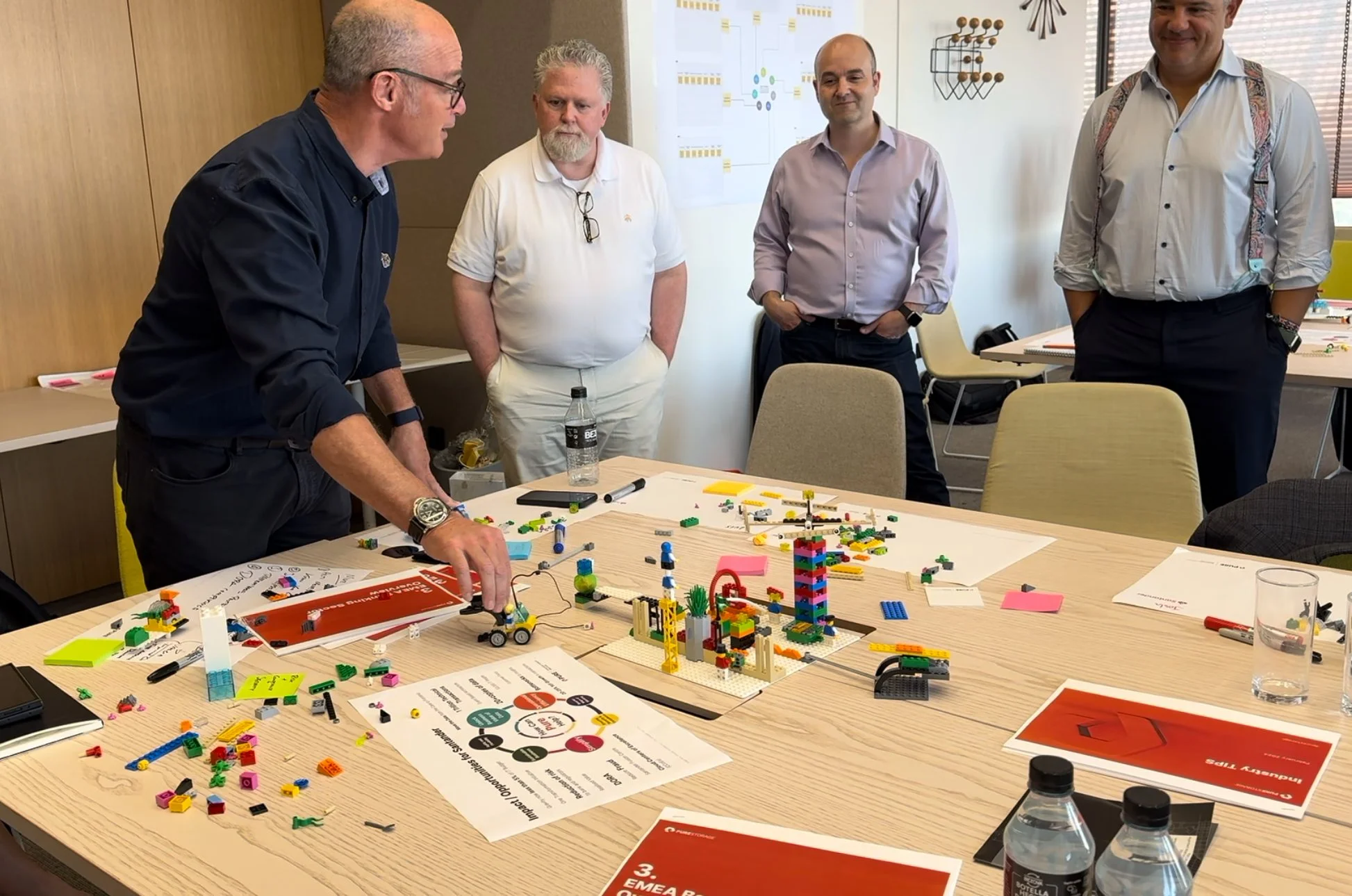
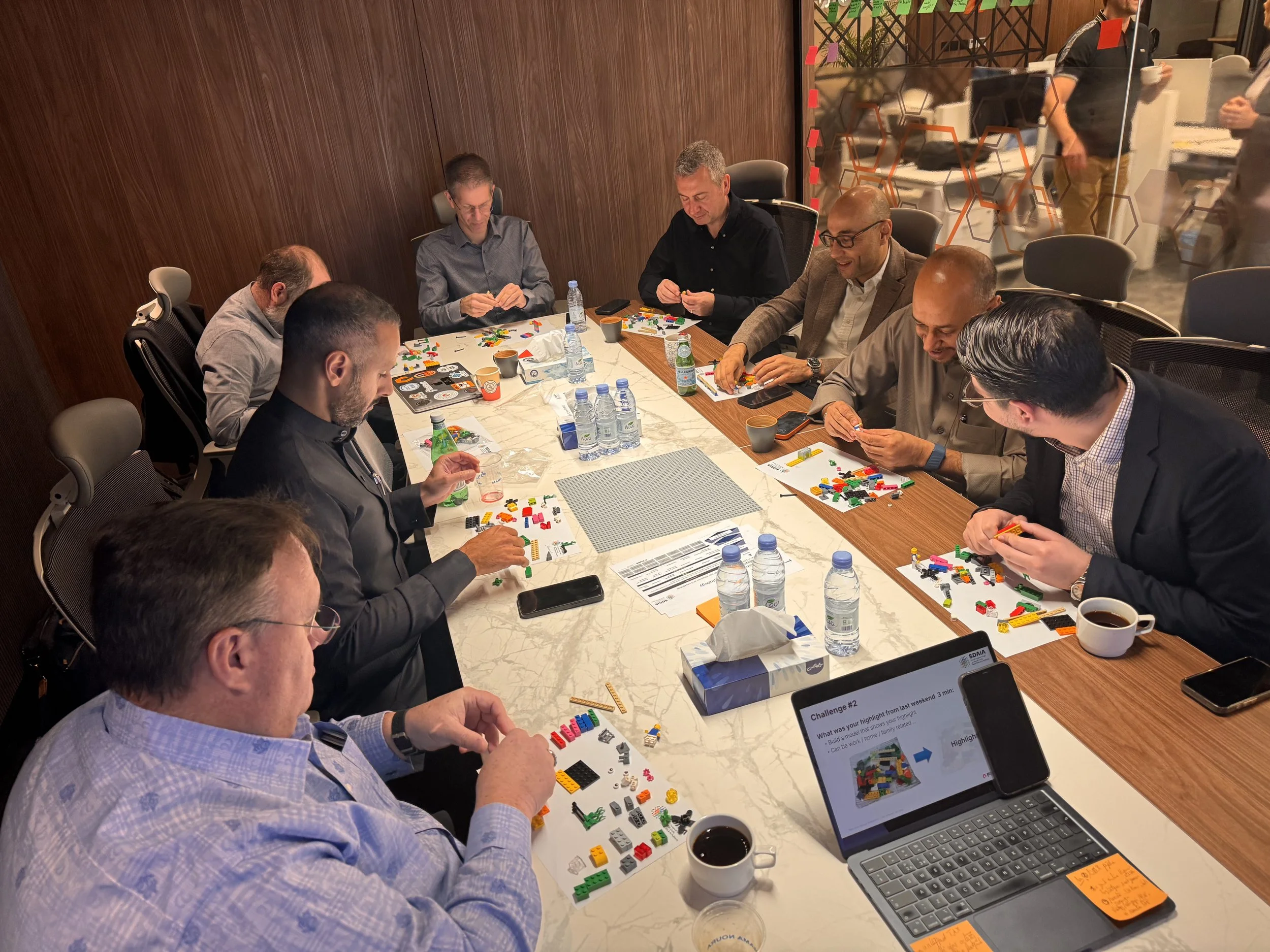
I often use the LEGO® SERIOUS PLAY® methodology as part of this work, not as an activity, but as a way to make thinking visible, shared, and tangible.
The focus is never the bricks.
The focus is the thinking.
By working in three dimensions, teams can explore complexity, hear every voice, and develop insights that wouldn’t surface in a traditional meeting.
What teams leave with
Depending on the context, teams typically leave with:
• shared understanding rather than surface alignment
• clearer priorities and strategic focus
• decisions that feel owned, not imposed
• stronger connection between people, strategy, and execution
This work is particularly effective when the challenge isn’t a lack of ideas, but a lack of clarity.
A simple starting point
If you’re curious about whether this approach could help your team, the best place to start is a conversation.
No pitch. Just a discussion about what you’re facing and whether this way of working would be useful.